
Fort De Soto — Florida's 7-Mile Beach, a Spanish-American Fort, and Pinellas's Best-Kept Secret
Seven miles of beach, a 1898 coastal artillery fort with the only 12-inch mortars still mounted in the U.S., one of Florida's best campgrounds, and a ferry to Egmont Key — all in a Pinellas County park, not a state park. Most Florida tourists never make it down here.

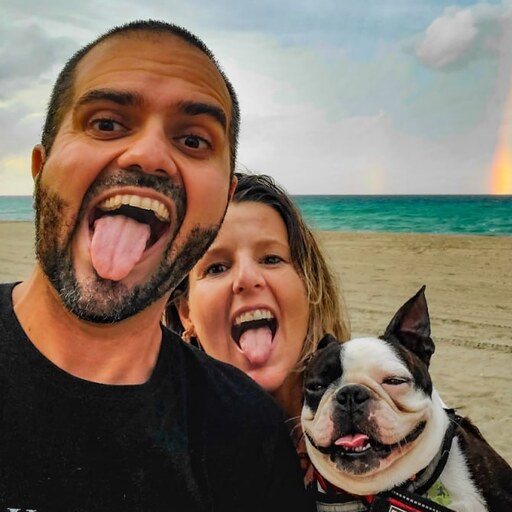
Late afternoon in February. Campsite under a cypress canopy at site 167, the Boston Terrier asleep on the picnic table, and tomorrow morning we take the 9 AM ferry out of Bay Pier to walk a fort that nobody quite remembers exists. The wife is reading. The mosquitoes are gone for the year. The Don CeSar is glowing pink fifteen minutes up the road. This is Fort De Soto, and most of Florida has no idea what it is.
What it is
A 1,136-acre county park — the biggest in Florida’s county-park system — owned and run by Pinellas County. Not a state park. Not federal. The distinction matters: most Florida outdoor people default to the state-park map and never see it.
The park is five interconnected keys — Mullet, Madelaine, St. Jean, St. Christopher, Bonne Fortune. Mullet Key is the big one, and what most people mean by “Fort De Soto”: seven miles of beach wrapped around a working historical fort.
The fort was built 1898–1906 to defend the entrance to Tampa Bay during the Spanish-American War. Never fired a shot in combat. What it has is something almost nothing else in the U.S. still has: four 12-inch seacoast mortars in their original battery emplacements. Two of only eight left in the country are sitting right here, painted black, on the original concrete. You can walk up and put your hand on them. Small free museum in the old quartermaster building.
What you do
North Beach. Ranked the #1 beach in America by Dr. Beach in 2005 (Caladesi got it three years later — same county, different vibe). A long curving spit of sugar-white sand with shallow water and a tidal lagoon. This is the postcard side.
The fort walk. Self-guided. Parade ground, battery steps, interpretive panels. Forty-five minutes minimum, two hours if you’re a history person.
The Egmont Key ferry. Hubbard’s Marina runs it out of Bay Pier — about $33 round-trip, 9 AM departure, 3 PM return. A 45-minute crossing through the main shipping channel; you’ll usually pass a freighter that makes the boat look like a bath toy. Egmont is its own piece — a federal wildlife refuge with an 1858 lighthouse and the ruins of Fort Dade.
The piers. Gulf Pier is 800 ft of concrete, popular with tarpon anglers in summer. Bay Pier is 1,000 ft — the longest concrete pier in Florida — and where the snorkellers go: jetty rocks hold sergeant majors, mangrove snapper, blue crabs, visibility around 15 ft on a calm day.
Seven miles of paved trail. Flat, shaded in stretches. Rentals at the concession or bring your own bike — the easiest way to cover all four beach access points and the fort in one loop.
Mangrove kayak tunnels. Park concession rents kayaks and SUPs (~$35/hr); the route threads through real mangrove tunnels on the inland side. Dolphin sightings are routine. Manatees show up December through March.
Paw Playground. One of only three official off-leash dog beaches in Pinellas County. Fenced, with its own little shoreline and rinse-off station.
Conditions, honestly
The campground books out winter weekends six months ahead. 246 sites across three loops, reservations open exactly six months in advance via pinellascounty.org, waterfront sites disappear in minutes. $40/night. If you’re a snowbird trying to land a January week, set a calendar alarm.
Day-use is free. Fishing piers and boat ramp are $5 each. Parking is plentiful except on a 75°F Saturday in March, when North Beach lot fills by 11 AM.
Hurricane Idalia (August 2023) closed the park for six weeks. Reopened that October fully restored — dunes rebuilt, piers re-decked. Barrier islands here take it on the chin every storm season and the county is good about turning it around.
Best season: October through May. Summer is hot and afternoon-stormy; the no-see-ums at dusk in May–September can chase you off the beach.
What it’s not
Not a state park. Owned by Pinellas County, not Florida DEP — your annual state-park pass doesn’t apply. Day-use is free anyway, so that’s a wash.
Not Clearwater Beach. No high-rises, no bars, no jet-ski rental armies. Twenty minutes south of St. Pete and it feels like a different decade. If you want spring-break party, drive north.
Not Egmont Key. Egmont is the boat-only refuge across the channel. Fort De Soto is the one you drive to.
What it IS
Pinellas County’s locals-favorite escape — the one St. Pete and Tampa residents drive to on a Sunday with a cooler and the dog and consider their own private secret. The rare Florida park that combines a meaningful piece of military history, four beaches with four personalities, one of the best campgrounds in the state, and a working ferry to a wildlife refuge — all inside a county park with zero-dollar admission.
The trick is timing. Off-season midweek, campsite, fort at golden hour, ferry the next morning, seafood in Tierra Verde village afterwards. You’ll wonder why nobody else seems to have noticed this place. Most of them haven’t.
Practical card
- Location: Mullet Key, Pinellas County · 27.6311, -82.7297 · 30 min south of downtown St. Pete via Pinellas Bayway
- Entrance: Free · $5 fishing pier · $5 boat ramp
- Camping: 246 sites · $40/night · book 6 months ahead at pinellascounty.org
- Ferry to Egmont Key: Hubbard’s Marina, Bay Pier · ~$33 round-trip · 9 AM departure
- Concessions: Kayak/SUP rentals ~$35/hr · bike rentals on site
- Pair with: Egmont Key ferry · Don CeSar (15 min north) · Tierra Verde village seafood
- Best season: Oct–May for camping and beach · avoid Jul–Aug